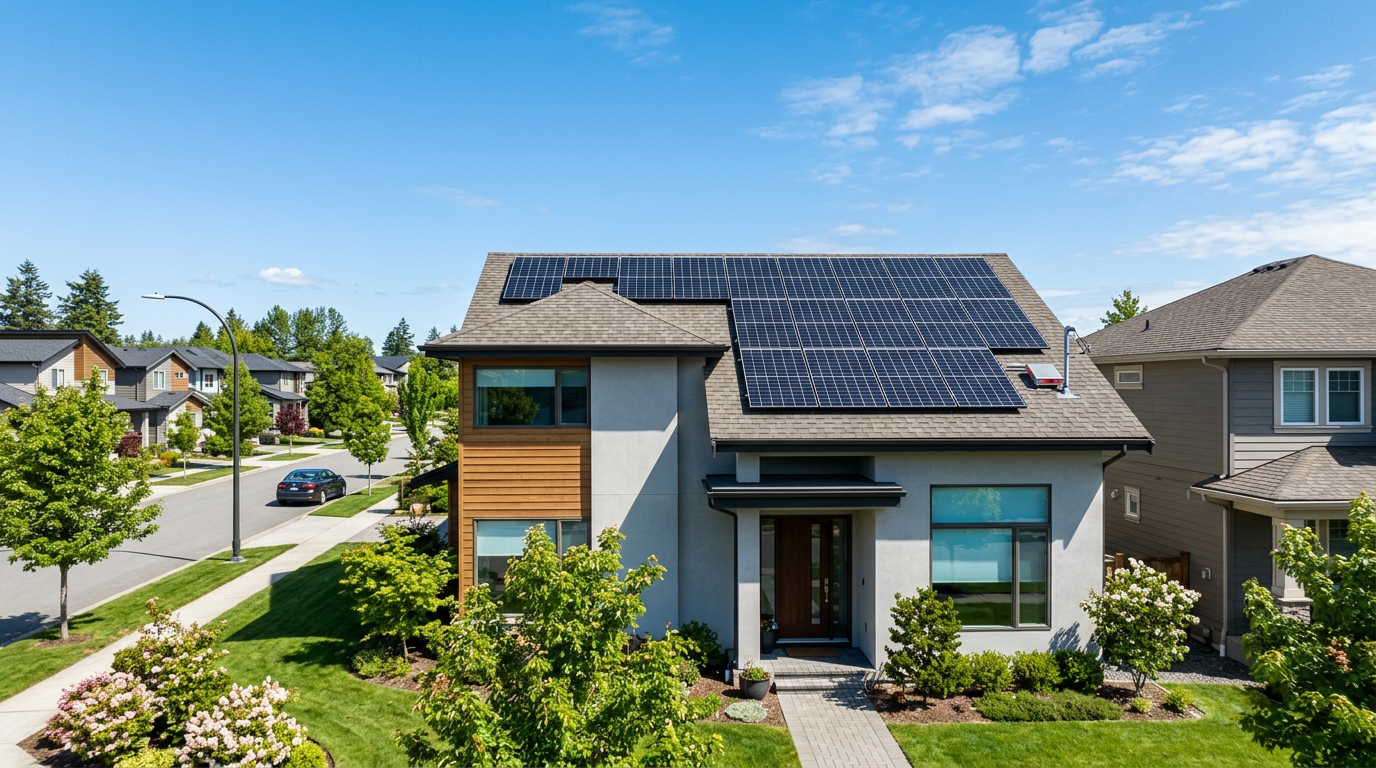
A home solar battery often costs roughly $8,000 to $20,000+ installed in many US setups, depending on battery size, brand, electrical work, and whether you want whole-home backup or just essential circuits. Smaller systems can land lower, while larger battery banks or more complex installations can run higher.
If you’re asking how much does a solar battery cost, the honest answer is that the battery itself is only part of the bill. Installation, equipment compatibility, permits, and any panel upgrades can change the total a lot.
What Affects the Price
Several practical factors determine what you’ll actually pay. Knowing these ahead of time helps you compare quotes apples-to-apples.
- Battery capacity: Larger batteries store more energy and typically cost more. A system meant to cover a few essential loads will usually be cheaper than one designed to run most of the home overnight.
- Battery chemistry and brand: Lithium-ion batteries are common for home use and often cost more upfront than simpler options, but they’re usually favored for performance and lifespan. Name-brand systems can also carry a premium.
- Backup goals: If you only want lights, refrigeration, and internet during an outage, the system can often be smaller. If you want air conditioning or a whole-home backup setup, the price usually rises.
- Inverter and controls: Some homes need a hybrid inverter, gateway, or additional controls so the battery can work safely with solar panels and the utility grid. These components can add meaningful cost.
- Electrical panel condition: Older panels, limited breaker space, or outdated wiring may require upgrades before installation. That can increase both labor and materials.
- Labor and permitting: Installers often charge differently based on local labor rates, roof or garage access, permitting rules, and inspection requirements. Permits and interconnection paperwork can also add time and expense.
- Number of batteries: Some homes need one battery, while others require multiple units to reach the desired backup time. More batteries usually means more equipment, labor, and hardware.
Typical Cost Ranges
These are broad U.S. estimates, not guaranteed prices. Your final quote can be lower or higher depending on the home and the equipment you choose.
- Small battery backup setup: Often ranges from $6,000 to $10,000 installed for limited backup needs and a smaller-capacity system.
- Midrange home battery system: Commonly falls around $10,000 to $18,000 installed for a more capable setup that may cover several essential loads for longer periods.
- Larger or premium system: Frequently lands between $18,000 and $30,000+ when you want higher capacity, multiple batteries, or more advanced backup features.
- Battery only, before installation: In many cases, the hardware alone can range from $4,000 to $15,000+, depending on storage size and brand.
- Installation and electrical work: Labor, permits, and related equipment can often add $2,000 to $6,000+, especially if panel upgrades or extra components are needed.
How to Save
You may be able to reduce the total cost without sacrificing safety or quality. The best savings usually come from matching the system to your real needs instead of oversizing it.
- Choose the right backup scope: Backing up a few critical circuits is often cheaper than trying to power the whole house. Make a list of must-have loads before you shop.
- Get multiple quotes: Pricing can vary widely between installers because each one bundles equipment, labor, and warranty coverage differently. Compare at least two or three detailed proposals.
- Ask what’s included: Some quotes include permits, monitoring, and interconnection support, while others do not. A lower number may not be the better deal if important items are missing.
- Check for local incentives: Utility rebates, state programs, and tax incentives can sometimes lower your net cost. Availability changes often, so verify current programs before buying.
- Bundle with solar if it makes sense: If you’re already installing solar panels, adding the battery at the same time may reduce some labor and design costs compared with a separate later project.
- Plan around your panel condition: If your electrical panel is near capacity, addressing it early can prevent surprise costs and delays. Sometimes a clean upgrade path is cheaper than redesigning mid-project.
Tip: A quote that looks expensive may still be the better value if it includes a stronger warranty, safer installation, and all required electrical work.
Before you decide, compare how each installer sizes the battery, what backup loads they’re planning for, and which upgrades are included. A few detailed quotes can quickly show whether you’re paying for a true whole-home system or just a basic backup setup.
Frequently Asked Questions
How much does a solar battery cost for a house?
For many U.S. homes, a solar battery system often costs roughly $8,000 to $20,000+ installed, depending on capacity and installation complexity. Smaller backup-only systems can be less, while larger whole-home systems can cost more.
Is a solar battery worth the cost?
It can be worth it if you want backup power, better energy control, or more solar self-use. The value depends on outage risk, local electricity rates, and how much backup you actually need.
Do solar batteries save money on electric bills?
Sometimes, but not always enough to justify the cost on bill savings alone. They can help you store excess solar energy and use it later, which may be more valuable in places with expensive peak rates or frequent outages.
How long does a home solar battery last?
Many home batteries are designed to last years, but lifespan depends on usage, temperature, and how deeply they’re cycled. Warranties often focus on time and throughput, so it’s worth reviewing the fine print before buying.
Can I add a battery to an existing solar system?
Often yes, but compatibility matters. Some systems need extra equipment or a different inverter setup, so the total cost can be higher than a battery added during the original solar installation.
What size solar battery do I need?
That depends on what you want to power during an outage and for how long. A contractor can help you estimate the loads for essentials like lights, refrigerator, Wi-Fi, and medical devices, then size the battery accordingly.